إشعار
يتطلب الوصول إلى هذه الصفحة تخويلاً. يمكنك محاولة تسجيل الدخول أو تغيير الدلائل.
يتطلب الوصول إلى هذه الصفحة تخويلاً. يمكنك محاولة تغيير الدلائل.
في بيئات السحابة، لا مفر من الفشل. يمكن أن تحدث أخطاء الأجهزة، وعيوب البرامج، وأخطاء التكوين، وارتفاع نسبة استخدام الشبكة، وانقطاع مركز البيانات، وحتى الانقطاعات على مستوى المنطقة. الموثوقية هي قدرة حمل العمل على الحفاظ على تلبية توقعات العمل، حتى أثناء حالات الفشل أو الاضطرابات. مع البنية والعمليات الصحيحة، لا تحتاج حالات الفشل إلى حدوث تعطل.
يمكن أن يكون لوقت التعطل غير المخطط له تأثير كبير. وهو يحمل التكلفة المالية والأضرار ثقة العميل والمستخدم. وإلى جانب هذه الآثار الفورية، يؤثر ضعف الموثوقية على التزامات الامتثال وتحديد المواقع التنافسية. تقضي فرقك مزيدا من الوقت في مكافحة الحرائق ووقت أقل في تقديم القيمة. بل إنه قد يؤدي إلى فرض عقوبات تعاقدية على مستوى الخدمة.
يوفر Azure بنية أساسية مرنة وخدمات مدارة، ولكن تعتمد موثوقية حمل العمل على التصميم والقرارات التشغيلية التي تتخذها: كيفية تصميم البنية وتكوين الخدمات وإدارة التبعيات وأتمتة الاستجابات للمشاكل واختبار البرامج والعمليات. يساعدك التصميم للموثوقية في وقت مبكر على تقليل حالات الفشل ويضمن، عند حدوثها، انخفاض حمل العمل بطرق يمكن التنبؤ بها والتحكم فيها تتوافق مع أولويات الأعمال.
يحتوي حمل العمل الموثوق به على خاصيتين أساسيتين:
- إنه مرن، ما يعني أنه يمكنه استيعاب حالات الفشل والتغيرات في البيئة مع الاستمرار في العمل على مستوى خدمة مقبول.
- كما أنه قابل للاسترداد، مما يعني أنه عند حدوث تعطيل، يمكن لحمل العمل استعادة العمليات العادية ضمن حدود زمنية محددة وفقدان البيانات.
تحتاج إلى كلا العقارين لتلبية توقعات التوفر في العالم الحقيقي والحفاظ على استمرارية الأعمال.
تعمل الموثوقية في Azure عبر ثلاث طبقات مترابطة:
- تطبيقك: خياراتك المعمارية وممارساتك وعملياتك، بما في ذلك إدارة التبعية ودفاتر التشغيل والتشغيل التلقائي والاختبار
-
ميزات الموثوقية، بما في ذلك:
- خدمات حمل العمل والتكوين: كيفية تكوين خدمات Azure التي تقوم بتشغيل حمل العمل الخاص بك، وقدرات الموثوقية التي تقوم بتكوينها داخل تلك الخدمات
- Azure خدمات النظام الأساسي: Azure الخدمات التي تدعم على وجه التحديد موثوقية حمل العمل، مثل موازنة التحميل وDNS وتوجيه نسبة استخدام الشبكة والمراقبة
- أسس الموثوقية: مرونة Azure المضمنة، مثل مناطق التوفر والمناطق وممارسات النشر الآمنة
تعمل هذه الطبقات معا لتحديد الموثوقية الإجمالية لحمل العمل. يساعدك فهمها على التمييز بين ما توفره Azure بشكل افتراضي وما تحتاج إلى تصميمه وتكوينه وتشغيله.
يساعدك هذا النموذج على الاستفادة مما يوفره Azure مع تحمل المسؤولية عما يمكنك تصميمه فقط. تركز هذه المقالة على ما توفره Azure عبر هذه الطبقات. للحصول على إرشادات شاملة حول تصميم حمل العمل وطبقة العمليات (تصميم حلول مرنة وأنماط معمارية)، راجع إطار عمل Azure Well-Architected وخاصة ركيزة الموثوقية.
المسؤولية المشتركة عن الموثوقية
تتبع الموثوقية في Azure نموذج المسؤولية المشتركة. يوفر Microsoft النظام الأساسي المرن من خلال Azure. يمكنك تصميم حمل العمل المرن.
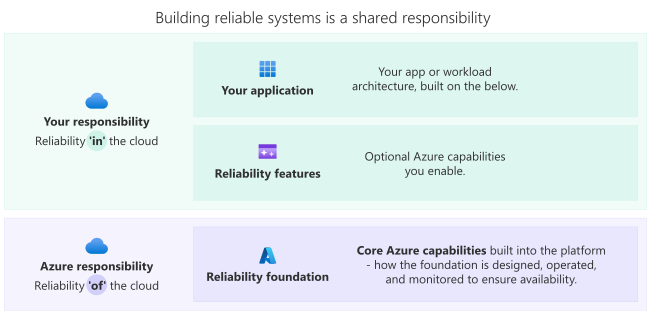
تمتلك Microsoft أسس النظام الأساسي وخدمات موثوقية النظام الأساسي. تتضمن هذه الملكية البنية الأساسية المرنة (التكرار المادي، وعزل الأخطاء، والشفاء)، ومناطق التوفر، والتوزيع الإقليمي، وممارسات النشر الآمنة، والخدمات على مستوى النظام الأساسي مثل موازنة التحميل، وتوجيه نسبة استخدام الشبكة، والمراقبة. Microsoft مسؤولة عن موثوقية النظام الأساسي Azure، وعن موثوقية الخدمات كما هو محدد من قبل اتفاقية مستوى الخدمة المنشورة لكل خدمة ووثائق مثل دليل الموثوقية الخاص بها.
أنت تملك تصميم حمل العمل والعمليات. أنت مسؤول عن ترجمة قدرات Azure إلى سلوك حمل عمل موثوق به من خلال قرارات البنية وخيارات التكوين والممارسات التشغيلية والاختبار.
لا يمكن Azure معرفة أهداف التوفر أو المقايضات المقبولة أو سياق العمل أو المتطلبات الخاصة بالتطبيق. يمكنك أنت فقط تحديد هذه المتطلبات والتصميم وفقا لذلك. يوفر Azure قدرات، أثناء تحديدها وتكوينها. على سبيل المثال، تقوم بتكوين سلوك تجاوز الفشل لخدمات مثل قواعد البيانات، وتحدد فحوصات صحة موازن التحميل التي تمثل بدقة صحة التطبيق بحيث تكون قرارات توجيه نسبة استخدام الشبكة صحيحة، حتى أثناء حالات الفشل.
هام
يوفر النظام الأساسي كتل بناء، وليس ضمانات شاملة. تحدد اختياراتك التصميمية والتشغيلية ما إذا كانت هذه القدرات تترجم إلى حمل عمل موثوق به. للحصول على تصنيف كامل لنموذج المسؤولية المشتركة، راجع المسؤولية المشتركة في السحابة.
تحدد اتفاقيات مستوى الخدمة (SLAs) التزامات وتوقعات الموثوقية عبر خدمات Azure. يعد فهم اتفاقيات مستوى الخدمة أمرا ضروريا عند تقييم الخدمات والتصميم لأهداف توفر محددة. تنشر خدمات Azure التزامات اتفاقية مستوى الخدمة التي يمكن أن تختلف حسب التكوين ومستوى التكرار. قد تنشر الخدمات الأخرى التي تستخدمها من موفرين آخرين اتفاقيات مستوى الخدمة أيضا. للحصول على إرشادات شاملة حول كيفية عمل اتفاقيات مستوى الخدمة وربطها بتوقعات توفر حمل العمل، راجع اتفاقيات مستوى الخدمة.
أسس مرنة في Azure
تم تصميم Azure مع طبقات متعددة من المرونة المضمنة في النظام الأساسي نفسه. توفر هذه الأسس القدرات الأساسية التي يتم بناء أحمال العمل الموثوق بها عليها:
مرونة البنية الأساسية المادية: تم تصميم مراكز البيانات Azure مع بنية أساسية زائدة عن الحاجة مثل الطاقة والتبريد والاتصال بالشبكة. تعزل وحدة تحكم Azure النسيج تلقائيا حالات فشل الأجهزة وتديرها. يكتشف الأخطاء وينسق ترحيل حمل العمل إلى أجهزة سليمة دون تدخل العميل.
المناطق: تعمل Azure في أكثر من 70 منطقة في جميع أنحاء العالم. يتيح هذا التوزيع الجغرافي لأحمال العمل تحمل الاضطرابات وانقطاعات البيانات على مستوى المنطقة من خلال قدرات تجاوز الفشل المخطط لها، مع اتباع متطلبات موقع البيانات الخاصة بك. لمزيد من المعلومات، راجع نظرة عامة على المناطق Azure.
مناطق التوفر: تتضمن العديد من المناطق Azure مراكز بيانات منفصلة فعليا داخل نفس المنطقة. يتم توصيل مناطق التوفر هذه من خلال شبكات عالية السرعة وزمن انتقال منخفض. تحتوي كل منطقة على طاقة وتبريد وشبكة مستقلة للحماية من حالات الفشل على مستوى مركز البيانات مع الحفاظ على قدرات النسخ المتماثل المتزامن للعديد من خدمات Azure. لمزيد من المعلومات، راجع ما هي مناطق التوفر؟
عمليات النشر الآمنة: تنفذ Azure عمليات توزيع متدرجة ومتحكما بها لتحديثات النظام الأساسي وتغييرات الخدمة لتقليل مخاطر تعطيل الخدمة على نطاق واسع. يقوم النظام الأساسي بطرح التحديثات تدريجيا، مثل عبر مجالات الخطأ ومناطق التوفر والمناطق، مع إمكانات التراجع التلقائية عند اكتشاف المشاكل. يضمن هذا النهج أن تغييرات النظام الأساسي لا تقدم مخاطر موثوقية لأحمال عمل العملاء.
يوفر Azure هذه الأسس على مستوى النظام الأساسي تلقائيا. وهي تشكل الطبقة الأساسية التي تقوم على أساسها ببناء أحمال عمل موثوقة. ومع ذلك، لا يزال يتعين عليك تكوين خدماتك بشكل صحيح ودمج هذه الإمكانات بطرق تلبي متطلبات عملك المحددة.
Azure الخدمات التي تدعم موثوقيتك
يوفر Azure قدرات النظام الأساسي التي تترجم مفاهيم الموثوقية إلى كتل بناء قابلة للتنفيذ للبنية الخاصة بك. تعمل هذه القدرات معا لتمكين البنيات المرنة، وتتضمن العديد من الخدمات Azure تطبيقات مضمنة لهذه الأنماط:
| Capability | Description |
|---|---|
 لتحسين الموثوقية المدعومة بالذكاء الاصطناعي
 |
يستخدم القدرات المستندة إلى الذكاء الاصطناعي لتقييم الموثوقية وتحسينها. تحلل هذه القدرات أنماط حمل العمل، وتحدد المخاطر المحتملة، وتقدم توصيات تساعد الفرق على الانتقال من استكشاف الأخطاء وإصلاحها التفاعلي إلى إدارة الموثوقية الاستباقية. تعرض هذه القدرات إشارات الموثوقية وتترجمها إلى توصيات قابلة للتنفيذ تساعد الفرق على تحديد أولويات وتحسين الموثوقية بمرور الوقت. يوفر Azure العديد من خدمات الموثوقية المستندة إلى الذكاء الاصطناعي، بما في ذلك: - قدرات مرونة Azure - قدرات المرونة في العوامل (معاينة) في Azure Copilot - عامل Azure SRE تحلل هذه الخدمات أنماط حمل العمل وتقترح تحسينات لتحسين وضع الموثوقية عبر اللوحة. |
 موازنة التحميل وإدارة نسبة استخدام الشبكة
 |
تمكين الموثوقية عن طريق توجيه نسبة استخدام الشبكة بين المثيلات المكررة ومعالجة تجاوز الفشل تلقائيا. هذه الإمكانية ضرورية للحفاظ على توفر الخدمة عند فشل المكونات الفردية. يوفر Azure موازنة التحميل في طبقات متعددة، بما في ذلك: - موازن تحميل Azure لتوزيع نسبة استخدام الشبكة TCP/UDP من الطبقة 4 - Azure Application Gateway لتوجيه HTTP من الطبقة 7 مع فحوصات السلامة المدركة للتطبيق - الواجهة الأمامية لـ Azure لموازنة تحميل HTTP العالمية مع تجاوز الفشل السريع - مدير حركة بيانات Azure لتوزيع نقطة النهاية العمومية المستندة إلى DNS إذا كنت بحاجة إلى مساعدة في تحديد موازن التحميل الذي يجب استخدامه للسيناريو الخاص بك، فشاهد خيارات موازنة التحميل. |
 النسخ الاحتياطي وحماية البيانات
 |
ضمانات ضد فقدان البيانات والفساد، وتمكين الاسترداد بعد حدوث مشكلة. يوفر Azure العديد من قدرات النسخ الاحتياطي والاسترداد، بما في ذلك: - النسخ الاحتياطي في Azure للنسخ الاحتياطي المركزي مع الاحتفاظ القابل للتكوين للأجهزة الظاهرية وحاويات الكائن الثنائي كبير الحجم والملفات وبعض قواعد البيانات - ميزات النسخ الاحتياطي والاستعادة الأصلية في العديد من خدمات Azure، بما في ذلك معظم خدمات قاعدة البيانات - Bicep والبنية التحتية الأخرى كأدوات تعليمات برمجية للنسخ الاحتياطي للتكوين والحماية من الانجراف والترفيه السريع للبيئة راجع دليل موثوقية كل خدمة Azure لفهم نهج النسخ الاحتياطي التي تدعمها الخدمة. |
 المتماثل الجغرافي لتجاوز الفشل وتجاوز الفشل
 |
تمكين الاسترداد من حالات الفشل الإقليمية من خلال النسخ المتماثل للبيانات عبر المناطق وقدرات تجاوز الفشل التلقائي. ينسق استرداد موقع Azure التعافي من الكوارث لأحمال عمل الجهاز الظاهري مع النسخ المتماثل التلقائي وتسلسل تجاوز الفشل. توفر العديد من خدمات Azure أيضا ميزات النسخ المتماثل الجغرافي المضمنة، بما في ذلك: - Azure Cosmos DB مع النسخ المتماثل للبيانات عبر المناطق الأصلية وقدرات تجاوز الفشل - إدارة Azure API مع إمكانات تجاوز الفشل عبر المناطق الأصلية توضح أدلة موثوقية الخدمة تفاصيل أي خيارات النسخ المتماثل الجغرافي المتوفرة لكل خدمة. |
 والمراقبة
 |
يوفر رؤية شاملة لوضع الموثوقية ويمكن الاستجابة الاستباقية للمشكلات. يوفر Azure خدمات مراقبة متعددة، بما في ذلك: - Azure MonitorوApplication Insights للمراقبة والتنبيه وتعقب التبعية في الوقت الفعلي - النماذج الصحية في Azure Monitor لمراقبة صحة حمل العمل بأكمله - حالة خدمة Azure للتنبيهات والإرشادات المخصصة لمشكلات خدمة Azure التي قد تؤثر على أحمال العمل الخاصة بك معا، تساعدك هذه الإمكانات على فهم ما إذا كنت تلبي متطلبات الموثوقية والاستجابة بسرعة عند ظهور مشكلات. |
 اختبار الموثوقية والتحقق من صحتها
 |
يساعد على التحقق من أن أحمال العمل تتصرف كما هو متوقع في ظل ظروف الفشل وتساعد على ضمان أن الحل الخاص بك يفي بمتطلبات الموثوقية قبل أن تؤثر المشكلات على المستخدمين. يوفر Azure خدمات اختبار الموثوقية، بما في ذلك: - Azure Chaos Studio لتجارب حقن الأخطاء الخاضعة للرقابة للتحقق من صحة سلوك الإصلاح الذاتي والمرونة في مواجهة حالات الفشل في العالم الحقيقي - اختبار تطبيق Azure للأداء والاختبار الوظيفي لفهم كيفية تصرف التطبيقات، بما في ذلك تحت الضغط |
تمكين الموثوقية في خدمات Azure
يوفر النظام الأساسي قدرات موثوقية طبقة الخدمة من خلال عشرات الخدمات Azure، ولكل منها نقاط قوة وحالات استخدام محددة. يوفر دليل موثوقية كل خدمة تفاصيل حول كيفية بقاء الخدمة متوفرة خلال سيناريوهات مختلفة، على سبيل المثال:
- أخطاء عابرة، وهي حالات فشل متقطعة قصيرة. توفر أدلة الخدمة توصيات لأفضل الممارسات لتقليل تأثيرها، مثل إعادة المحاولة واستخدام حزم SDK المقدمة Microsoft.
- حالات فشل منطقة التوفر، بحيث يمكن للخدمة إعادة توجيه الطلبات تلقائيا للحفاظ على قابلية الوصول العالية.
- حالات الفشل على مستوى المنطقة، بحيث يمكن أن تفشل الخدمة إلى منطقة ثانوية وتستمر في العمل أثناء تعطيل المنطقة.
لعرض أدلة الموثوقية للعديد من خدمات Azure، راجع أدلة الموثوقية حسب الخدمة.
تصميم أحمال عمل موثوق بها
تنبثق الموثوقية من دورة مستمرة من تحديد الأهداف، والتصميم للفشل والتعافي السريع، واختبار الافتراضات، والتحسن من خلال التعلم التشغيلي. استخدم Azure Well-Architected Framework وأدلة موثوقية الخدمة لفهم ما توفره كل خدمة بشكل افتراضي وما يتطلب تكوينا صريحا. للحصول على نهج منظم لتنفيذ الموثوقية، راجع نموذج نضج موثوقية Azure Well-Architected Framework.
أثناء التصميم، قم بتوصيل المفاهيم الأساسيةبالمفاهيم التقنية. تحدد المفاهيم الأساسية مثل استمرارية الأعمالوالمسؤولية المشتركة النتائج التي تحتاج إلى تحقيقها. تحدد المفاهيم التقنية مثل التكراروالنسخ المتماثلوالنسخ الاحتياطيوتجاوز الفشلوإرجاع الموارد كيفية تنفيذ هذه النتائج في البنية والعمليات الخاصة بك. تساعدك اتفاقيات مستوى الخدمة على فهم الضمانات التي تتلقاها من موفري الخدمة.
السيادة وإقامة البيانات
عند تصميم الموثوقية، قم بتضمين متطلبات السيادة وإقامة البيانات مبكرا لأنها تؤثر على تحديد المنطقة واستراتيجية النسخ المتماثل ومسارات تجاوز الفشل. لا يزال من الممكن أن تفشل البنية المرنة في متطلبات التوافق إذا تجاوز تجاوز الفشل أو حركة البيانات الحدود المقيدة. لمزيد من المعلومات، راجع الموثوقية والسيادة.
تتحقق الموثوقية في Azure من خلال الجمع بين أسس النظام الأساسي المرنة وتصميم حمل العمل المدروس والعمليات. من خلال فهم ما توفره Azure والمكان الذي تحتاج فيه إلى اتخاذ قرارات التصميم والتكوين، يمكنك إنشاء أنظمة تستمر في تلبية توقعات الأعمال، حتى في وجود حالات الفشل.