Introduction
As generative AI models become more powerful and ubiquitous, their use grows beyond simple "chat" applications to power intelligent agents that can operate autonomously to automate tasks. Increasingly, organizations are using generative AI models to build agents that orchestrate business processes and coordinate workloads in ways that were previously unimaginable.
Single-agent scenario
Consider an organization that builds an AI agent to help employees manage expense claims. The agent could use a generative model combined with corporate expenses policy documentation to answer employee questions about what expenses can be claimed and what limits apply.
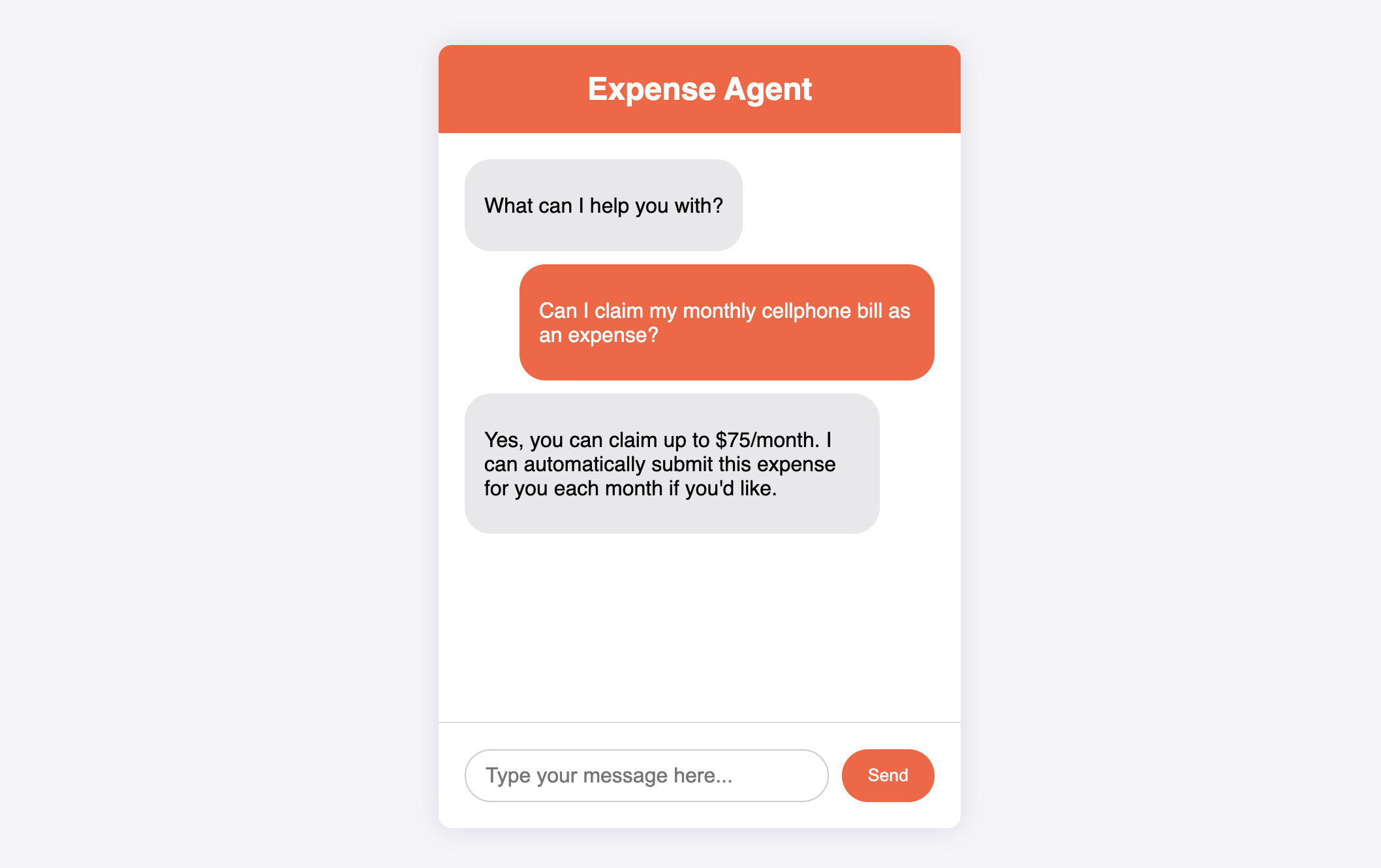
Additionally, the agent could use programmatic functions to automatically submit expense claims for regularly repeated expenses, such as monthly cellphone bills, or intelligently route expenses to the appropriate approver based on claim amounts.
Multi-agent scenario
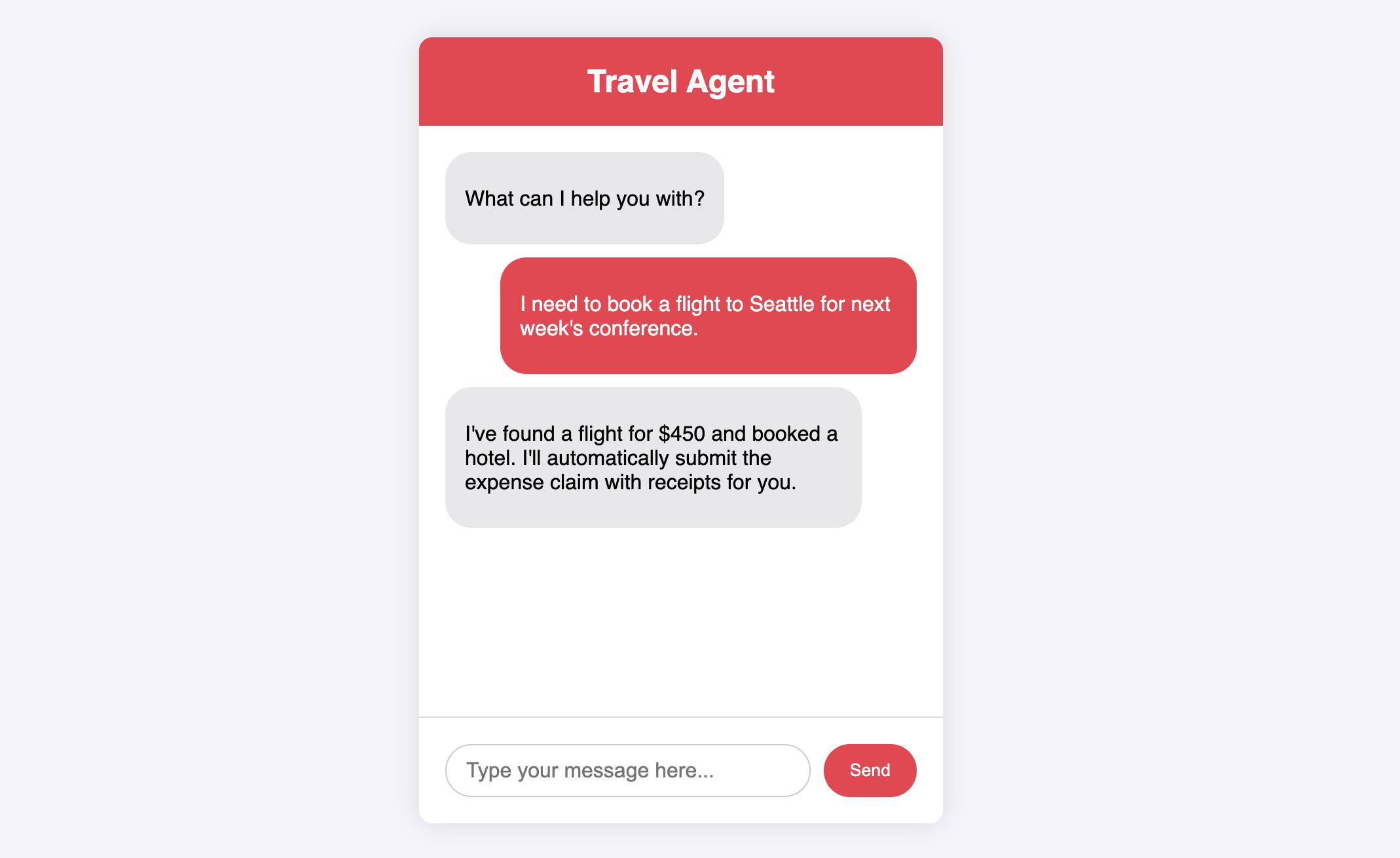
In more complex scenarios, organizations can develop multi-agent solutions where multiple agents coordinate work between them. For instance, a travel booking agent could book flights and hotels for employees and automatically submit expense claims with appropriate receipts to the expenses agent—creating an integrated workflow that spans multiple business processes.
Learning objectives
This module discusses some of the core concepts related to AI agents, and introduces some of the technologies that developers can use to build agentic solutions on Microsoft Azure.