Compare Windows 11 Pro and Enterprise for organizational needs
Organizations can choose from multiple Windows editions, each designed to support different business and IT needs. Windows 11 Pro and Windows 11 Enterprise are two editions commonly considered for organizational device deployments, each designed to support different operational requirements and management approaches.
Before evaluating specific decision criteria, it's important to understand the role each edition is designed to play within a modern business environment. The following sections introduce the core purpose and common organizational use cases associated with Windows 11 Pro and Windows 11 Enterprise.
While organizations may encounter Windows 11 Home on consumer devices, it’s primarily designed for personal and everyday use scenarios rather than organizational deployment and management needs. This module focuses on the Windows editions commonly evaluated for business environments.
Windows 11 Pro
Windows 11 Pro is designed for small to midsize organizations and teams that need business-ready devices with built-in security and management capabilities. It builds on the core Windows experience by adding features that help organizations protect devices, manage access, and support productivity in professional environments.
This edition is commonly used in organizations with relatively straightforward IT requirements, where devices are managed by a small IT team or through lightweight management solutions. Windows 11 Pro supports modern work scenarios by enabling users to securely access business resources while giving IT teams a baseline level of administrative control over devices and data.
Windows 11 Pro is often selected when organizations need business-ready security and management capabilities while maintaining a flexible and approachable IT environment. It provides essential protections and management features without the added complexity that may be required in large-scale or highly regulated environments. This edition is well suited for organizations that need reliable, business-focused functionality while keeping device management approachable and flexible.
Windows 11 Pro is commonly associated with organizations that need:
- Business-ready security and productivity features
- Flexible device management for smaller IT environments
- Support for hybrid and modern work scenarios
- A balance between usability, security, and manageability
Windows 11 Enterprise
Windows 11 Enterprise is designed for organizations with more advanced security, compliance, and device management requirements. It's typically used in larger or more complex environments where IT teams need centralized control, consistency across many devices, and support for strict organizational policies.
This edition is commonly adopted by organizations with large or complex device environments, diverse user roles, or regulatory and compliance requirements. Windows 11 Enterprise enables IT administrators to apply standardized controls across the organization and align device management with broader security and governance strategies.
Windows 11 Enterprise is often chosen when organizations require centralized governance, advanced security controls, and consistent management across large or complex environments. It's well suited for environments where device management and security are closely integrated into the organization's overall IT and business strategy.
Windows 11 Enterprise is commonly associated with organizations that need:
- Centralized management across large device environments
- Advanced security and compliance capabilities
- Standardized policies and governance controls
- Scalable device management for complex operations
The following comparison highlights the general operational priorities commonly associated with each Windows edition.
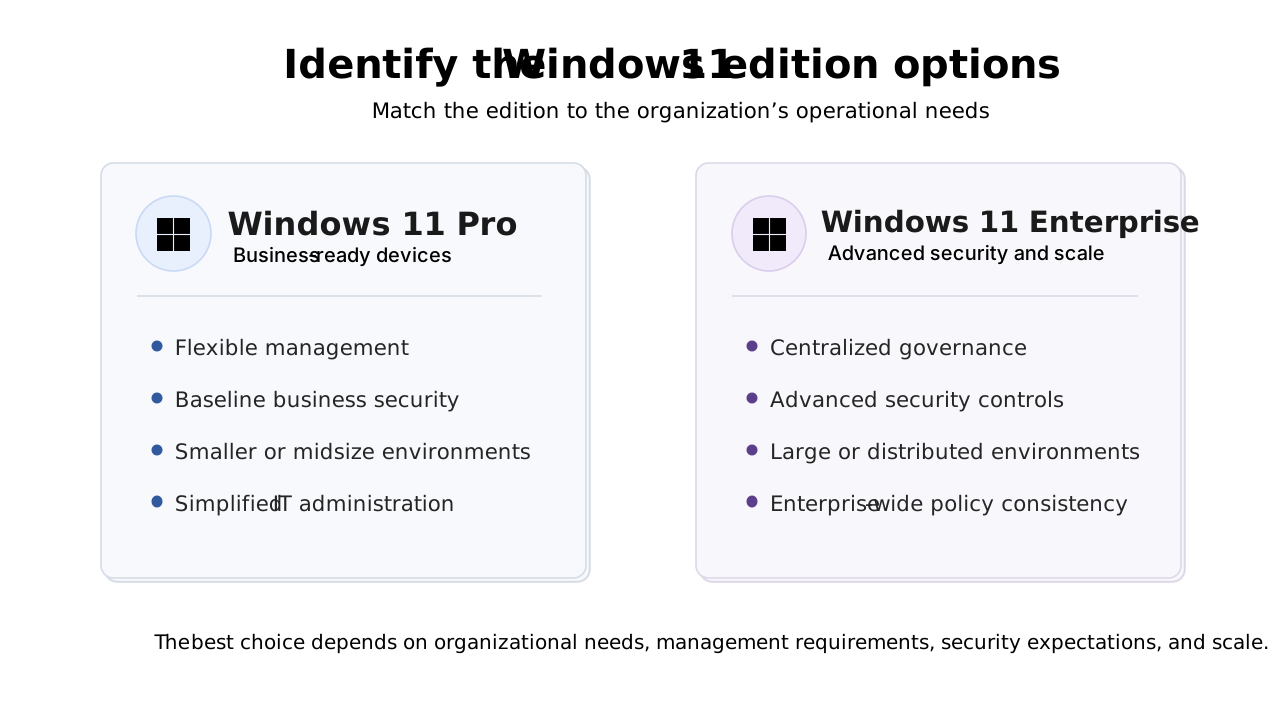
This comparison is intended to provide a general understanding of how each edition aligns to different organizational needs.
In the next unit, you'll examine the decision criteria organizations commonly use when evaluating Windows editions, including management requirements, security expectations, organizational scale, and operational complexity.