When to introduce Azure Local
Even when Azure Local aligns conceptually with private cloud goals, timing matters. Introducing it too early—or too late—can limit its effectiveness.
Evaluating readiness for Azure Local conversations
This simple diagram can help you quickly assess where your organization currently falls.
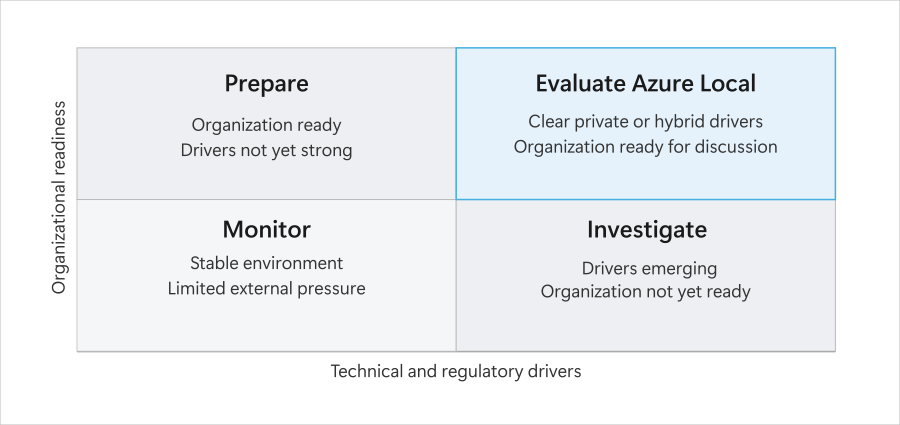
Signals that Azure Local might be worth discussing
Consider introducing Azure Local when one or more of the following signals are present:
- Active private cloud evaluations
- Sovereign or regulatory requirements affecting workload placement
- Desire for Azure-aligned operations within on-premises environments
These signals suggest readiness for evaluation—not automatic adoption.
Situations where Azure Local might not be appropriate
Equally important is recognizing the signs that Azure Local might not be necessary:
- Minimal regulatory pressure affecting your environment
- Satisfaction with existing operational models
- Limited capacity to support hybrid governance
By acknowledging these scenarios, IT leaders avoid adding unnecessary complexity.
Introducing the option, not the decision
The IT director is now preparing a briefing for leadership. In their position, how would you explain:
- Why private cloud is being discussed
- What Azure Local represents
- When it might—or might not—be relevant
This approach keeps the conversation grounded in evaluation rather than urgency. Knowing when to introduce these ideas will help keep conversations focused and immediately actionable.