Exercise - Create and manage variable groups
This exercise demonstrates variable group creation, configuration, and integration within Azure DevOps release pipelines for centralized configuration management.
Steps
Release pipelines utilize variable groups for predefined configuration sets that eliminate redundant variable definitions across pipeline stages and multiple pipeline definitions.
Variable groups provide centralized configuration management, similar to task group functionality, reducing maintenance overhead and ensuring consistent configuration across complex deployment scenarios.
The following steps demonstrate variable group creation, configuration, and pipeline integration:
On the main menu for the Parts Unlimited project, click Pipelines, then click Library. There are currently no variable groups in the project.
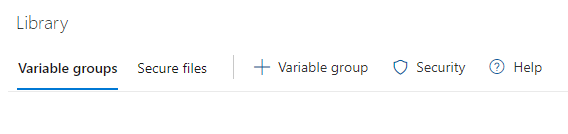
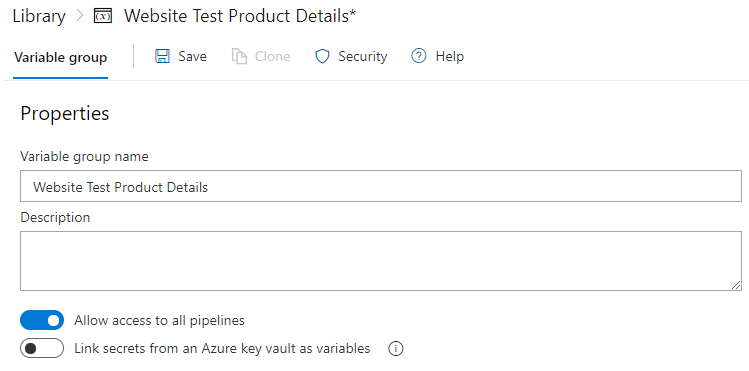
Click + Variable group to start creating a variable group. Set Variable group name to Website Test Product Details.
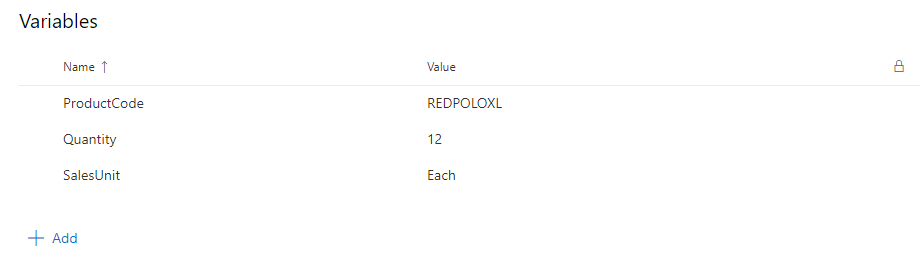
In the Variables section, click +Add, enter Name, enter ProductCode, and in Value, enter REDPOLOXL.

The lock column enables secret variable configuration, masking sensitive values from display in configuration interfaces while maintaining functional access during pipeline execution.
Secret variables typically secure sensitive information such as passwords, API keys, and authentication tokens. Azure Key Vault integration provides enterprise-grade secret management for credentials requiring external security control.
Azure Key Vault integration offers superior security for credential management compared to platform-stored secrets, enabling centralized secret lifecycle management outside project scope.
This demonstration utilizes non-sensitive product configuration data for website testing scenarios.
Add another variable called Quantity with a value of 12.
Add another variable called SalesUnit with a value of Each.
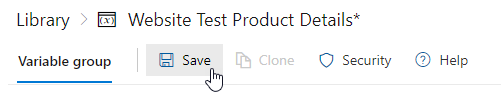
Click Save to save the new variable group.
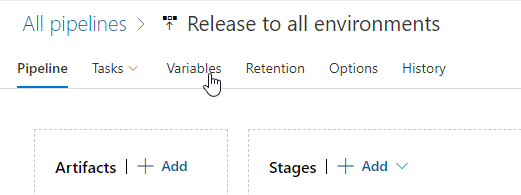
On the main menu, click Pipelines, click Releases and click Edit to return to editing the release pipeline we have been working on. From the top menu, click Variables.
In the left-hand pane, click Variable Groups.
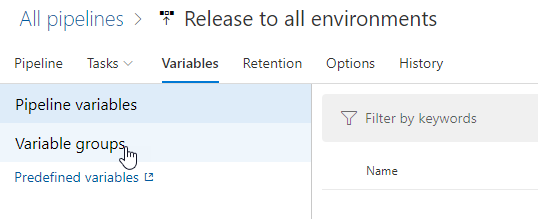
Variable groups establish linked relationships with pipelines through reference associations rather than direct integration, enabling reusable configuration across multiple pipeline definitions.
Click Link variable group, then in the Link variable group pane, click the Website Test Product Details variable group (notice that it shows you how many variables are contained). In the Variable group scope, select the Development, Test Team A, and Test Team B stages.
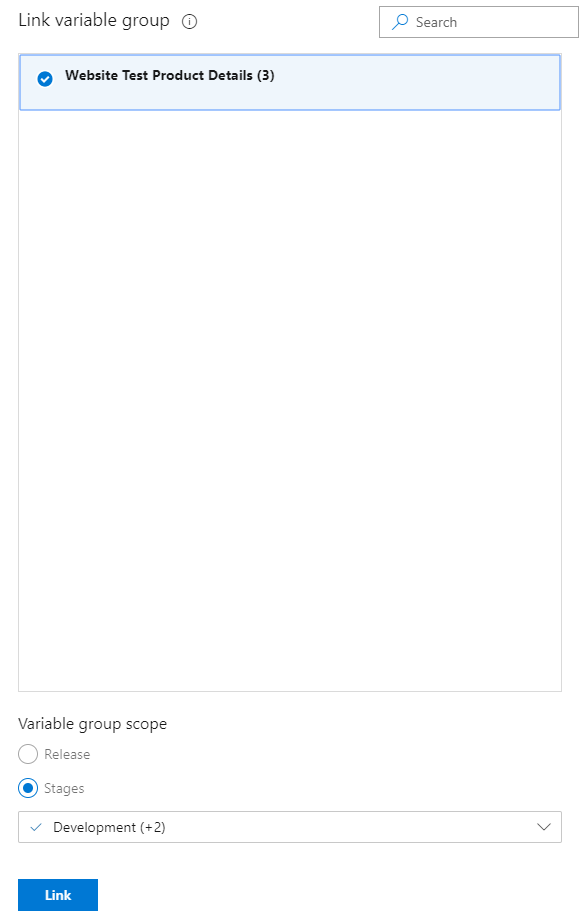
Test product configuration applies to development and testing environments but remains excluded from production deployments. Universal stage access requires Release scope selection for variable group availability across all pipeline stages.
Click the Link to complete the link.
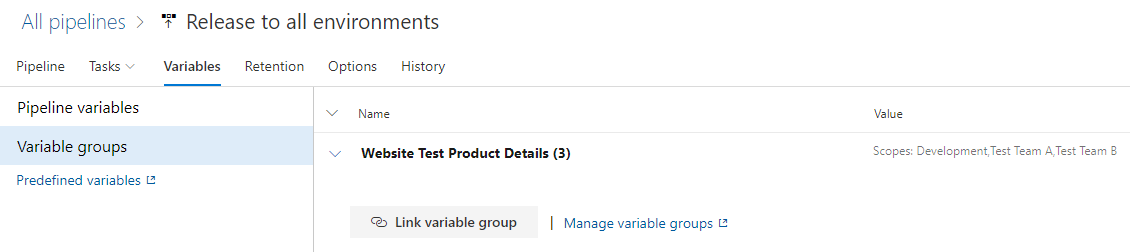
Variable group content becomes accessible within scoped stages (excluding production), providing identical functionality to individually defined variables while maintaining centralized configuration management.