Understanding 5G on Surface

5G is the fifth generation of cellular network technology and is the successor to 4G LTE (long term evolution). Modern smartphones are commonly equipped with 5G, but it's also found in other communications devices like smartwatches and laptops. 5G provides higher data rates, greater network capacity, lower latency, improved support for dense device deployments, and more flexible network management compared to its predecessors.
Microsoft Surface devices have long been at the forefront of adopting cellular technology into a variety of devices. The first Surface to support 4G LTE was the Microsoft Surface 2, which was released in 2014. Since then, the availability across the lineup has expanded. Below are the current Surface for Business models that support cellular connectivity:
- Surface Laptop for Business, 13.8-inch (7th Edition)
- Surface Pro for Business, 13-inch (12th Edition) with Intel
- Surface Pro for Business, 13-inch (11th Edition) with Qualcomm
In addition to meeting the latest Wi-Fi standards, these Surface for Business devices also offer 5G connectivity—reflecting a need for modern business users to eliminate connectivity friction, with the ability to get work done instantly, securely, and reliably. The addition of a 5G radio into Surface devices ensures that traveling business users can connect without searching for a hotspot.
5G on Surface represents Microsoft's end-to-end innovation in action. Hardware, software, and cloud services come together to deliver intelligent, secure, and connected experiences for today's mobile workforce. This innovation starts with antenna placement.
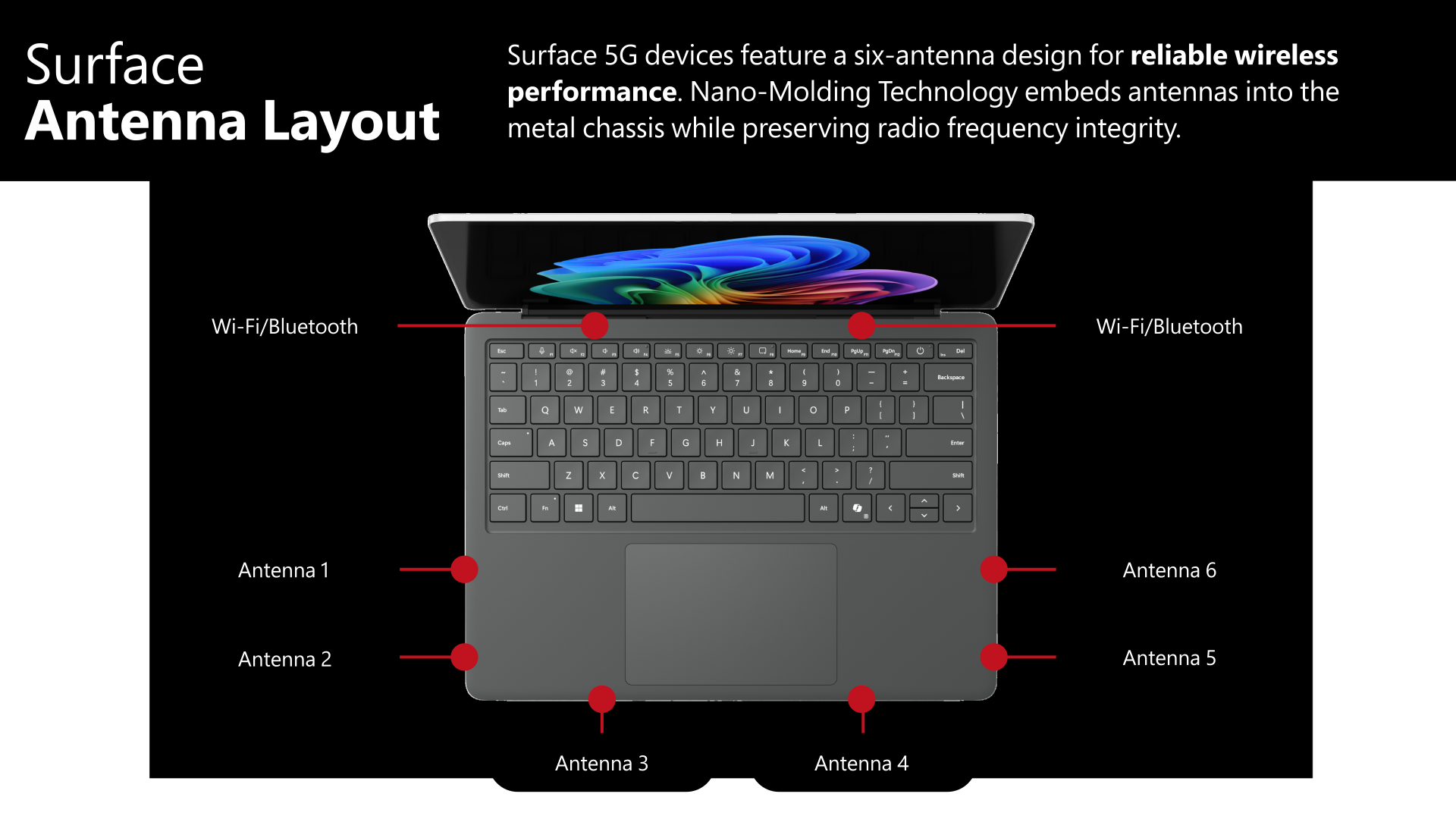
On Surface hardware, there are six strategically placed antennas (see above) that automatically adjust signal paths and power based on how the device is held or used. Using Nano-Molding Technology (NMT), the antennas are embedded into the metal chassis while preserving radio frequency integrity. This creates a strong and reliable connection as a business user moves between environments—transitioning between 5G and Wi-Fi networks.
Additionally, on Surface Laptop, the palm rest features a custom multi-layered laminate that allows radio signals to pass through without impacting performance while still delivering a portable and lightweight device experience. The palm rest features a dielectric top layer that improves radio frequency transparency while adding mechanical strength.
This layer allows signals to pass through with minimal interference, even when users rest their hands on the device. Beneath is a liquid crystal polymer (LCP) layer, a material designed to support stable signal performance and efficient antenna integration. Together with the custom laminate and optimized antenna placement, this design helps deliver reliable 5G connectivity without sacrificing device portability.
5G Surface models have been evaluated in homes, apartments, and active office environments—helping to replicate everyday scenarios. This testing included moving between rooms, switching networks, multitasking, and working from laps to help fine tune antenna placement, thermal performance, and connectivity behavior to reflect how people work today.
To ensure global performance, 5G hardware was field-tested with over 100 mobile operators across more than 50 countries/regions. The result is 5G connectivity that travels with business users around the world.
Built for security
With 5G support, Surface models stay continuously connected, which enables IT departments to deliver security updates, enforce policies, and access real-time insights, from anywhere. This integration is possible because Surface is engineered in partnership with Windows and Intune—combining hardware, software, and cloud-based management into a unified solution.
IT can remotely deploy and manage SIM profiles, allowing cellular connectivity to be preconfigured and pushed to enrolled Surface devices. Paired with Windows Autopilot, it enables a true zero-touch deployment experience where devices arrive fully configured, secured, and ready to use.
Note
Cellular plans are sold separately and not included with Surface for Business devices with 5G.
The Surface Management Portal within the Intune Admin Center provides centralized visibility into device health, compliance, and usage across the Surface fleet. Now with Security Copilot integration, IT can identify and respond to device and security events more efficiently to detect issues, assess risk, and respond with greater confidence.
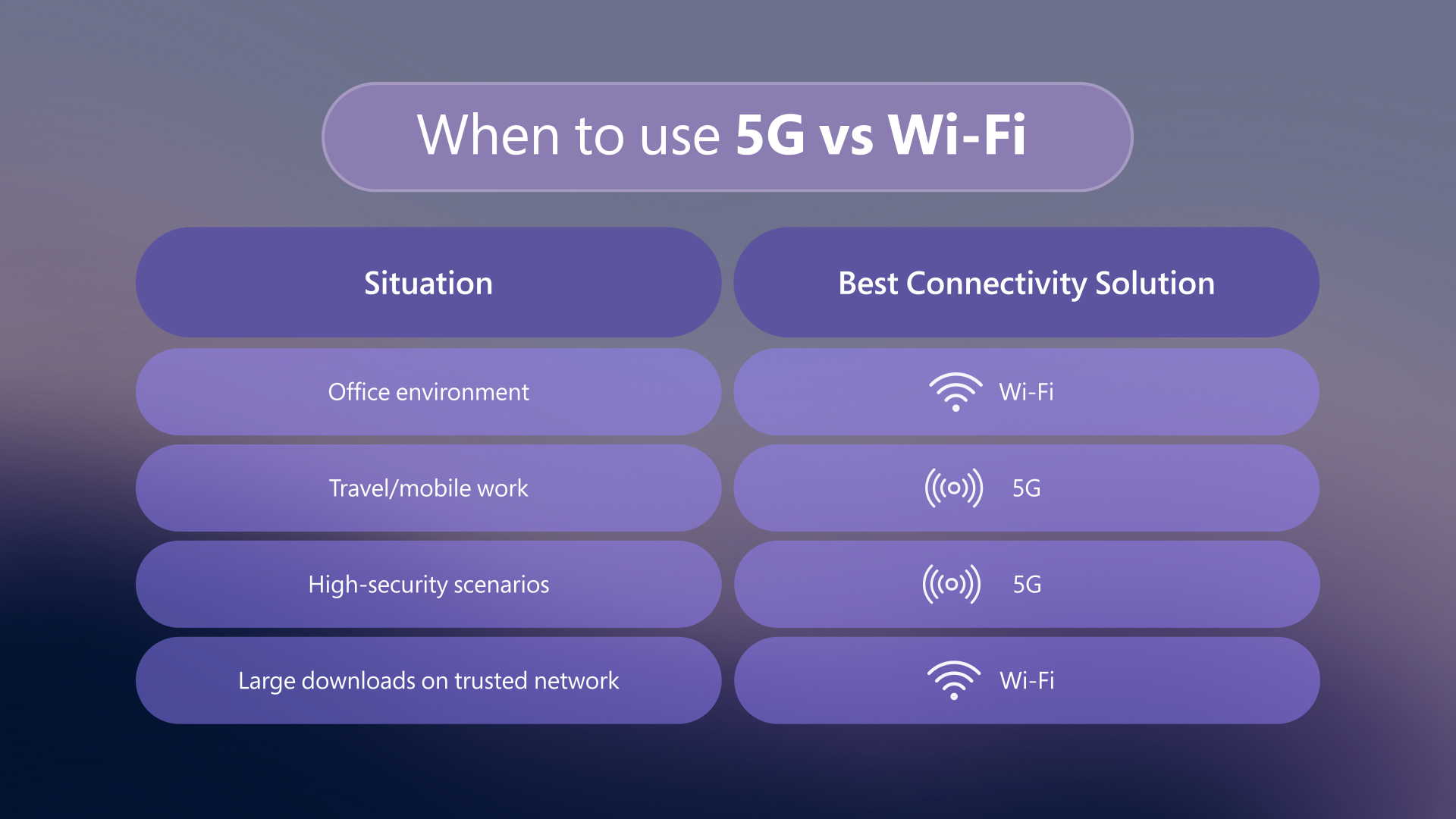
5G on Surface helps business users avoid using public Wi-Fi while on-the-go. Instead, it offers a secure and consistent connection, helping data remain secure for efficient device management. Plus, with low latency and high bandwidth, 5G enables modern AI processing, allowing business users to efficiently traverse between the device and the cloud to facilitate business growth.