What is a SOC?
Let's start by defining a SOC. A security operations center (SOC) is a team responsible for protecting an organization from cyber threats and improving its cybersecurity posture. The team can be in-house or outsourced and continuously monitors things like user accounts, computers, servers, networks, and websites to catch threats in real time. Their main goal is to detect, respond, and recover from cyberattacks.
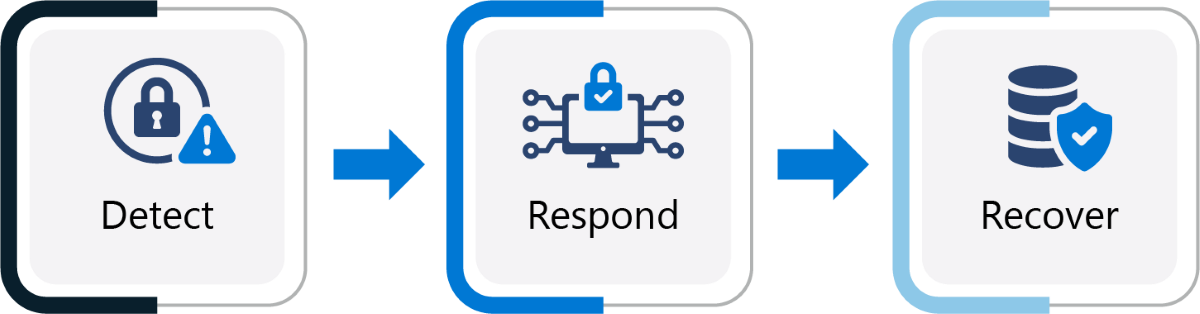
- Detect: SOC teams must spot hidden threats before they cause harm. This can mean responding to alerts about suspicious activity or actively searching for unusual behavior in system logs.
- Respond: When a threat is detected, the team quickly investigates to confirm if it's a real attack or a false alarm. If it's real, they determine the attack's scope and goal.
- Recover: The priority for a SOC team is to keep operational services secure and running smoothly. After an attack, the team works to restore systems and prevent future incidents.
Beyond just reacting to attacks, SOC teams also stay ahead of hackers by studying new cyber threats and fixing weaknesses before they can be exploited. Most SOCs operate 24/7, and large companies with locations around the world may have a global SOC (GSOC) to coordinate security across different countries.
Functions of a SOC
To help detect, respond, and recover from attacks, SOC team members take on different responsibilities. These are critical in ensuring that threats are identified and quickly addressed and that systems are restored to full security.
- Asset and tool inventory: To effectively defend the organization, the SOC needs a clear view of the assets it's protecting and the tools it's using. This includes tracking everything from databases and cloud services to endpoints and applications, ensuring no gaps in coverage. The team also monitors security solutions like firewalls and anti-malware tools.
- Reducing attack surface: The SOC works to minimize the organization's exposure to cyber threats by managing assets and workloads, applying security patches, fixing misconfigurations, and adding new security measures as needed. Staying ahead of emerging threats is a key part of this process.
- Continuous monitoring: SOC teams use powerful tools, such as SIEM, SOAR, and XDR solutions, to monitor the entire environment 24/7. These tools collect and analyze data from networks, devices, and cloud environments to detect any unusual or suspicious activity.
- Threat intelligence: By analyzing data from external sources and security reports, the SOC gains a better understanding of how cybercriminals operate. This knowledge helps the team predict and prevent future threats, keeping the organization one step ahead.
- Threat detection: SOC teams rely on SIEM and XDR data to find real threats. They sort through the noise to identify actual issues, then prioritize the threats based on their seriousness and how much damage they could cause.
- Log management: The SOC collects and examines log data from every system and device within the organization to track normal behavior and spot any abnormalities that could signal a threat, like malware or ransomware.
- Incident response: When an attack is detected, the SOC takes quick action to minimize the damage and keep the organization running. This includes isolating affected systems, suspending compromised accounts, and running antivirus checks.
- Recovery and remediation: After an attack, the SOC restores the organization to normal operations. This might involve reconnecting systems, restoring lost data, or switching to backup systems to ensure everything runs smoothly.
- Root cause investigation: To prevent future attacks, the SOC investigates what went wrong during an incident, identifying vulnerabilities and weaknesses in security systems or processes.
- Security refinement: Using the lessons learned from an incident, the SOC updates security practices, improves policies, and strengthens the overall defense strategy to prevent similar attacks in the future.
- Compliance management: The SOC ensures that security tools, processes, and applications meet privacy regulations like the Global Data Protection Regulation (GDPR), the Family Educational Rights and Privacy Act (FERPA), and the Health Insurance Portability and Accountability Act (HIPPA). This includes regular audits and making sure that legal and regulatory notifications are sent after a data breach.