Note
Access to this page requires authorization. You can try signing in or changing directories.
Access to this page requires authorization. You can try changing directories.
The objective of this article is to demonstrate the steps to be performed in Storegate and Microsoft Entra ID to configure Microsoft Entra ID to automatically provision and de-provision users and/or groups to Storegate.
Note
This article describes a connector built on top of the Microsoft Entra user provisioning service. For important details on what this service does, how it works, and frequently asked questions, see Automate user provisioning and deprovisioning to SaaS applications with Microsoft Entra ID.
Prerequisites
The scenario outlined in this article assumes that you already have the following prerequisites:
-
- A Microsoft Entra user account with an active subscription. If you don't already have one, you can Create an account for free.
- One of the following roles:
- A Storegate tenant
- A user account on a Storegate with Administrator permissions.
Step 1: Assign users to Storegate
Microsoft Entra ID uses a concept called assignments to determine which users should receive access to selected apps. In the context of automatic user provisioning, only the users and/or groups that have been assigned to an application in Microsoft Entra ID are synchronized.
Before configuring and enabling automatic user provisioning, you should decide which users and/or groups in Microsoft Entra ID need access to Storegate. Once decided, you can assign these users and/or groups to Storegate by following the instructions Assign a user or group to an enterprise app.
Important tips for assigning users to Storegate
It's recommended that a single Microsoft Entra user is assigned to Storegate to test the automatic user provisioning configuration. Additional users and/or groups may be assigned later.
When assigning a user to Storegate, you must select any valid application-specific role (if available) in the assignment dialog. Users with the Default Access role are excluded from provisioning.
Step 2: Set up Storegate for provisioning
Before configuring Storegate for automatic user provisioning with Microsoft Entra ID, you need to retrieve some provisioning information from Storegate.
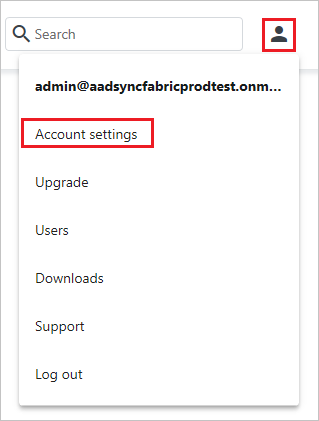
Sign in to your Storegate Admin Console and navigate to the settings by selecting the user icon in the upper right corner and select Account Settings.
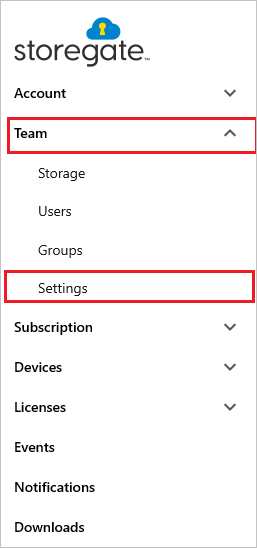
Within settings navigate to Team > Settings and verify that the toggle switch is switched on in the Single sign-on section.

Copy the Tenant URL and Token. These values are entered in the Tenant URL and Secret Token fields respectively in the Provisioning tab of your Storegate application.
Step 3: Add Storegate from the gallery
To configure Storegate for automatic user provisioning with Microsoft Entra ID, you need to add Storegate from the Microsoft Entra application gallery to your list of managed SaaS applications.
Sign in to the Microsoft Entra admin center as at least a Cloud Application Administrator.
Browse to Entra ID > Enterprise apps > New application.
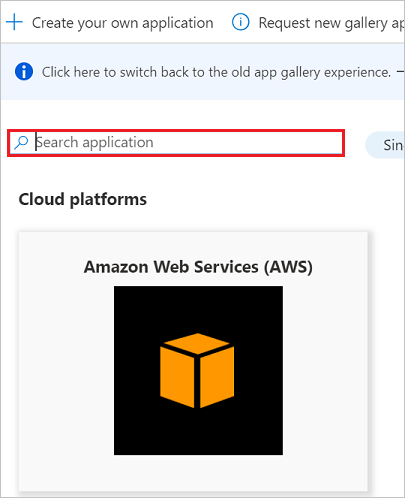
In the Add from the gallery section, type Storegate, select Storegate in the results panel.
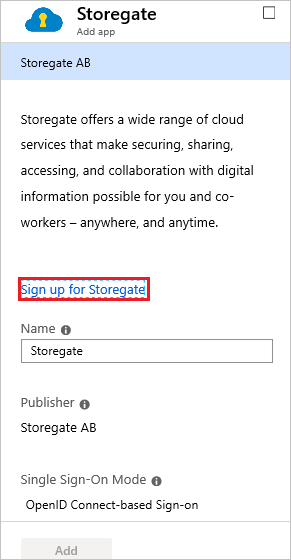
Select the Sign-up for Storegate button which will redirect you to Storegate's login page.
Sign in to your Storegate Admin Console and navigate to the settings by selecting the user icon in the upper right corner and select Account Settings.
Within settings navigate to Team > Settings and select toggle switch in the Single sign-on section, this will start the consent-flow. Select Activate.
As Storegate is an OpenIDConnect app, choose to log in to Storegate using your Microsoft work account.
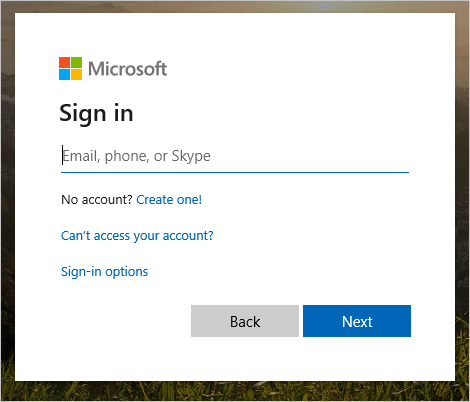
After a successful authentication, accept the consent prompt for the consent page. The application is then automatically added to your tenant and you'll be redirected to your Storegate account.
Step 4: Configure automatic user provisioning to Storegate
This section guides you through the steps to configure the Microsoft Entra provisioning service to create, update, and disable users and/or groups in Storegate based on user and/or group assignments in Microsoft Entra ID.
Note
To learn more about Storegate's SCIM endpoint, refer this.
Configure automatic user provisioning for Storegate in Microsoft Entra ID
Sign in to the Microsoft Entra admin center as at least a Cloud Application Administrator.
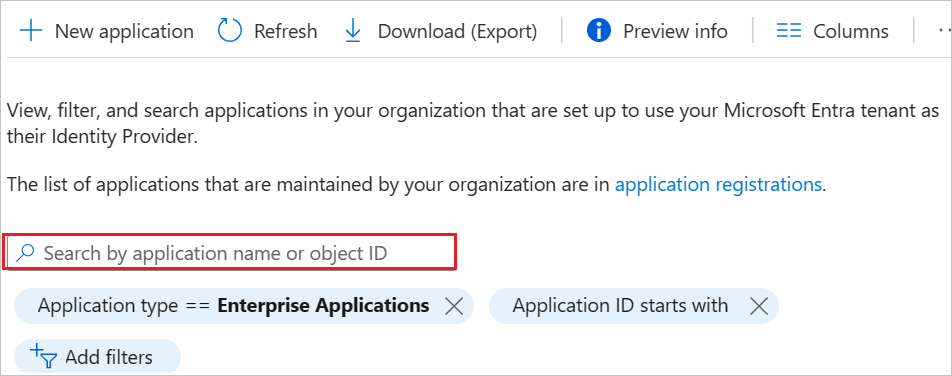
Browse to Entra ID > Enterprise apps
In the applications list, select Storegate.
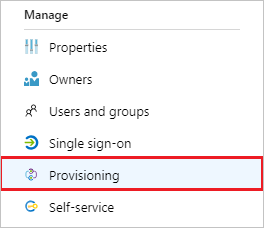
Select the Provisioning tab.
Select + New configuration.

In the Tenant URL field, enter your Storegate Tenant URL and Secret Token. Select Test Connection to ensure Microsoft Entra ID can connect to Storegate. If the connection fails, ensure your Storegate account has the required admin permissions and try again.

Select Create to create your configuration.
Select Properties on the Overview page.
Select the Edit icon to edit the properties. Enable notification emails and provide an email to receive quarantine notifications. Enable Accidental deletions prevention. Select Apply to save the changes.

Select Attribute Mapping in the left panel and select users.
Review the user attributes that are synchronized from Microsoft Entra ID to Storegate in the Attribute Mapping section. The attributes selected as Matching properties are used to match the user accounts in Storegate for update operations. Select the Save button to commit any changes.
Attribute Type Supported for filtering Required by Storegate userName String ✓ ✓ active Boolean preferredLanguage String name.givenName String name.familyName String To configure scoping filters, refer to the instructions provided in the Scoping filter article.
Use on-demand provisioning to validate sync with a small number of users before deploying more broadly in your organization.
When you're ready to provision, select Start Provisioning from the Overview page.
Step 5: Monitor your deployment
Once you configure provisioning, use the following resources to monitor your deployment:
- Use the provisioning logs to determine which users are provisioned successfully or unsuccessfully
- Check the progress bar to see the status of the provisioning cycle and how close it's to completion
- If the provisioning configuration seems to be in an unhealthy state, the application goes into quarantine. Learn more about quarantine states the application provisioning quarantine status article.
Additional resources
- Managing user account provisioning for Enterprise Apps
- What is application access and single sign-on with Microsoft Entra ID?